 4 months ago
Introduction
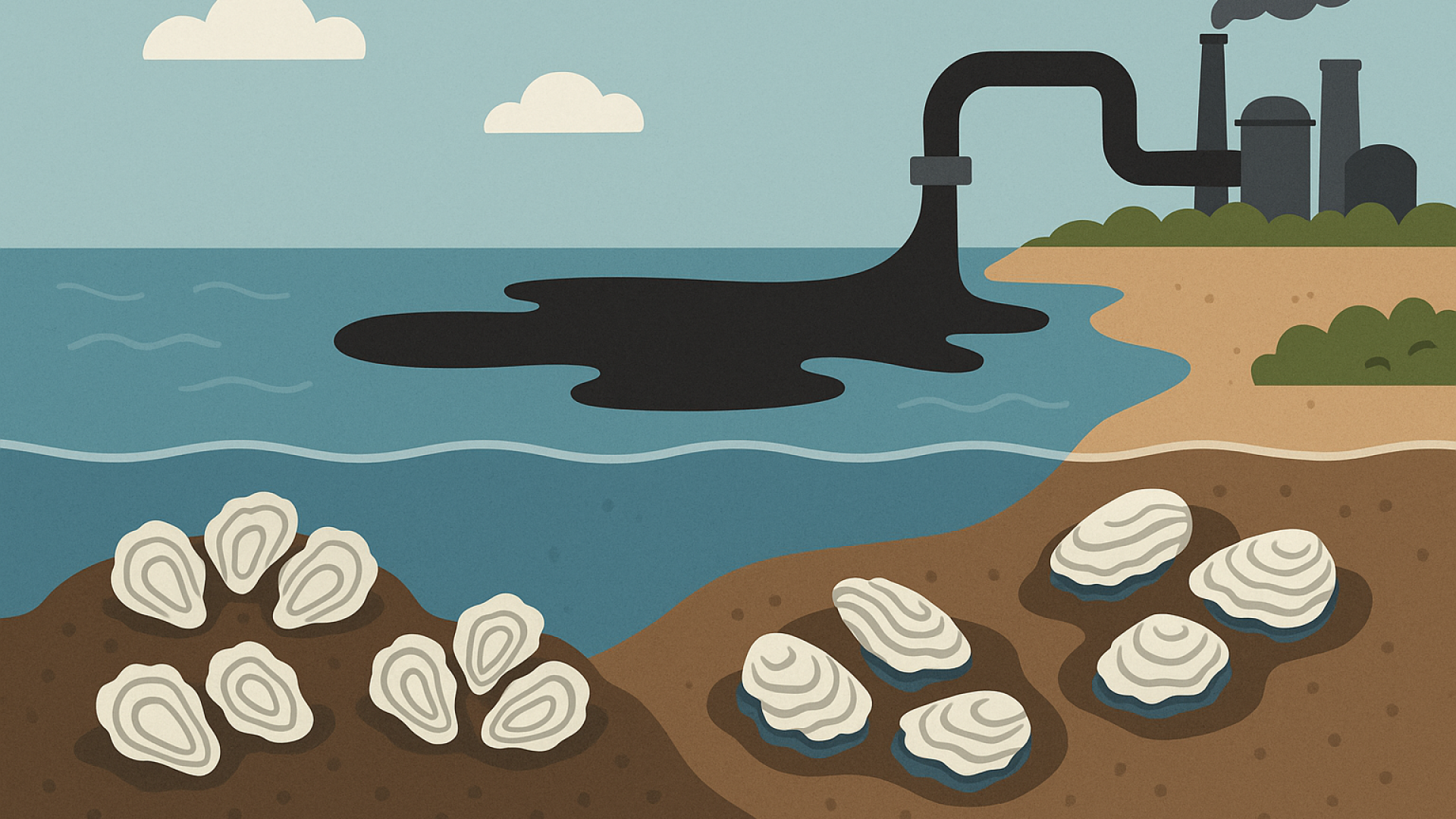
On March 18, 2026, health officials announced the closure of oyster leases in Barataria Bay after the recent Louisiana Offshore Oil Port (LOOP) oil spill reached the coastal waters. This decision was made amid escalating concerns about the environmental damage and potential health risks posed by the spill. Barataria Bay, renowned for its extensive oyster beds and its vital role in supporting local fisheries and economies, now faces an uncertain future as authorities work diligently to assess and mitigate the spill's impact on both the ecosystem and the communities that depend on it.
Context: The LOOP Oil Spill and Barataria Bay
The Louisiana Offshore Oil Port (LOOP) is a critical infrastructure hub for the import and export of crude oil in the Gulf of Mexico. On March 10, 2026, an oil spill was detected near the port, with initial reports indicating a significant leak from one of the offshore pipelines that transport crude oil to and from tankers. Despite rapid response efforts by emergency teams, the spill spread toward the coast, eventually reaching the sensitive estuarine ecosystem of Barataria Bay.
Barataria Bay is home to extensive oyster reefs that support both commercial and recreational fisheries. The bay's oysters are highly prized for their quality and contribute substantially to the local economy, providing livelihoods for many fishermen and related businesses. The arrival of oil contaminants threatens not only the marine life but also the economic stability of the region and the health of consumers who rely on these shellfish as a food source.
Core Issues: Environmental and Health Implications
The closure of oyster leases is a precautionary measure aimed at preventing contaminated shellfish from entering the food supply chain. Oil spills introduce a range of toxic compounds into the water, including polycyclic aromatic hydrocarbons (PAHs), which are known to accumulate in oysters and other shellfish. Consumption of contaminated oysters poses serious health risks, including acute gastrointestinal illnesses and potential long-term effects from exposure to carcinogenic substances.
From an environmental perspective, the impacts are equally concerning. Oil can smother oyster reefs, reduce water quality, and disrupt the delicate balance of the estuarine ecosystem. Oysters play a crucial ecological role by filtering water, improving water clarity, and providing habitat for a variety of marine species. Damage to these reefs can lead to cascading effects on biodiversity, fisheries productivity, and the overall health of the bay.
Response and Mitigation Efforts
In response to the spill, health and environmental agencies have mobilized quickly to contain the oil and assess the extent of contamination. Immediate actions taken include:
- Closing oyster leases and issuing public advisories against harvesting shellfish in affected areas to protect consumer health.
- Deploying containment booms and skimmers strategically to limit the spread of oil and prevent further contamination of sensitive habitats.
- Conducting extensive water and sediment testing to monitor contamination levels and identify hotspots requiring focused cleanup efforts.
- Engaging local fishermen, community leaders, and other stakeholders in response planning to ensure coordinated efforts and transparent communication.
Additionally, specialized cleanup crews are working to rehabilitate affected habitats, employing techniques such as manual removal of oil residues and bioremediation where feasible. Scientists and environmental experts are conducting ongoing studies to understand the spill's impact on oyster populations and the broader ecosystem, which will inform restoration strategies. The state government has also pledged support for economic relief programs designed to assist fishermen and businesses impacted by the closures, recognizing the significant financial strain caused by the disruption.
Challenges and Long-Term Considerations
Despite these concerted efforts, several challenges remain in addressing the spill's consequences. Oil spills are notoriously difficult to fully remediate, especially in complex coastal environments like Barataria Bay, where tidal flows and sediment dynamics can cause oil residues to persist for extended periods. The presence of oil in sediments can prolong ecological damage and delay the recovery of oyster reefs and other marine habitats.
Monitoring programs will need to continue for months or even years to ensure oyster beds are safe for reopening. This includes rigorous testing for contaminants, assessing the health and reproductive success of oyster populations, and evaluating the recovery of associated marine species. The economic consequences for the local fishing community may be significant and long-lasting, requiring sustained support, adaptive management strategies, and possibly diversification of livelihoods.
Furthermore, this incident highlights the broader risks associated with offshore oil infrastructure located near sensitive marine habitats. It underscores the urgent need for improved safety protocols, enhanced emergency preparedness, and increased investment in alternative energy sources to reduce reliance on fossil fuels and minimize the risk of future environmental disasters.
Potential Solutions and Future Directions
To address both the immediate crisis and prevent future occurrences, several strategies are being considered and implemented by authorities and stakeholders:
- Enhanced Monitoring and Early Detection: Implementing advanced sensor networks, satellite surveillance, and real-time monitoring systems to detect leaks promptly and enable faster response times.
- Stricter Regulatory Oversight: Reviewing and tightening regulations governing offshore oil operations, including more rigorous inspections, maintenance requirements, and penalties for non-compliance.
- Investment in Restoration: Funding oyster reef restoration projects that utilize resilient oyster strains and habitat enhancement techniques such as reef substrate placement and water quality improvements to accelerate ecosystem recovery.
- Community Engagement: Involving local stakeholders, including fishermen, indigenous groups, and environmental organizations, in decision-making and response planning to ensure transparency, build trust, and incorporate traditional ecological knowledge.
- Transition to Sustainable Energy: Accelerating the shift toward renewable energy sources such as wind, solar, and tidal power to reduce environmental risks associated with oil extraction, transport, and consumption.
Conclusion
The closure of oyster leases in Barataria Bay following the LOOP oil spill is a necessary and prudent step to protect public health and preserve the fragile coastal ecosystem. While the immediate focus remains on containment, cleanup, and monitoring, this incident serves as a stark reminder of the vulnerabilities inherent in offshore oil operations and the profound consequences that can arise from environmental accidents.
Long-term recovery will require coordinated efforts among government agencies, scientists, industry representatives, and local communities to restore the health of oyster reefs and the broader estuarine environment. Continued vigilance, investment in restoration, and policy reforms will be essential to safeguard the future of Barataria Bay and similar coastal regions.
As authorities continue to monitor the situation closely, the priority remains the protection of both environmental and public health. The lessons learned from this spill could drive meaningful changes in policy and practice, fostering a more resilient and sustainable future for the Gulf Coast and its invaluable natural resources.